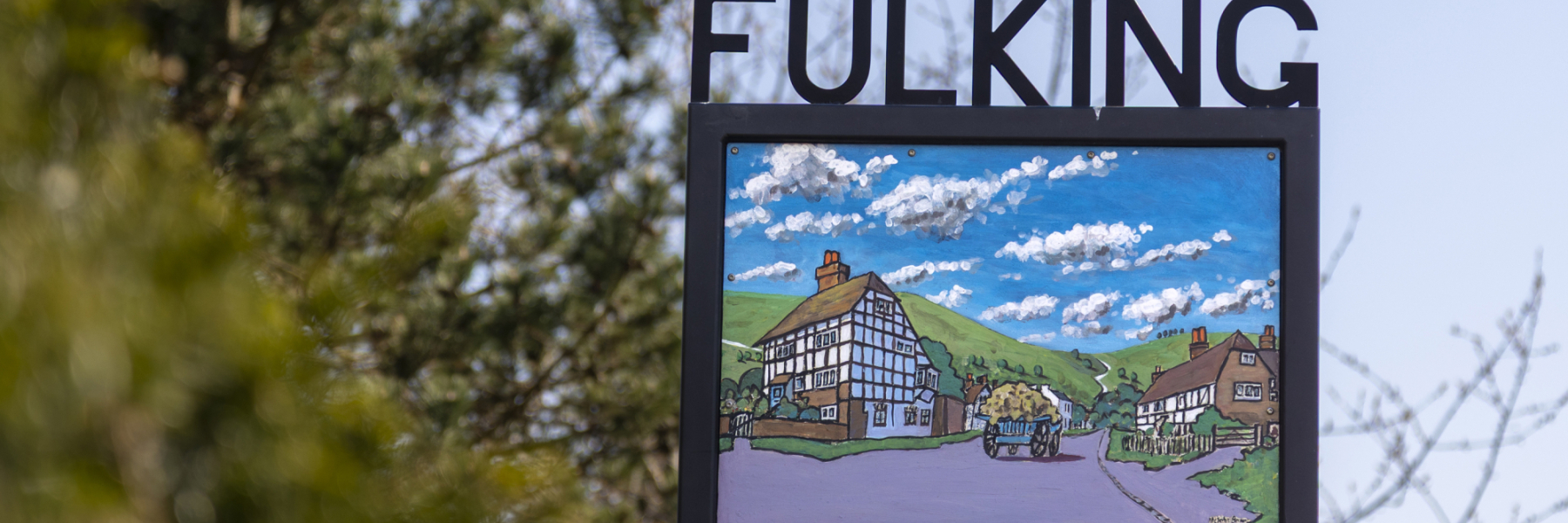
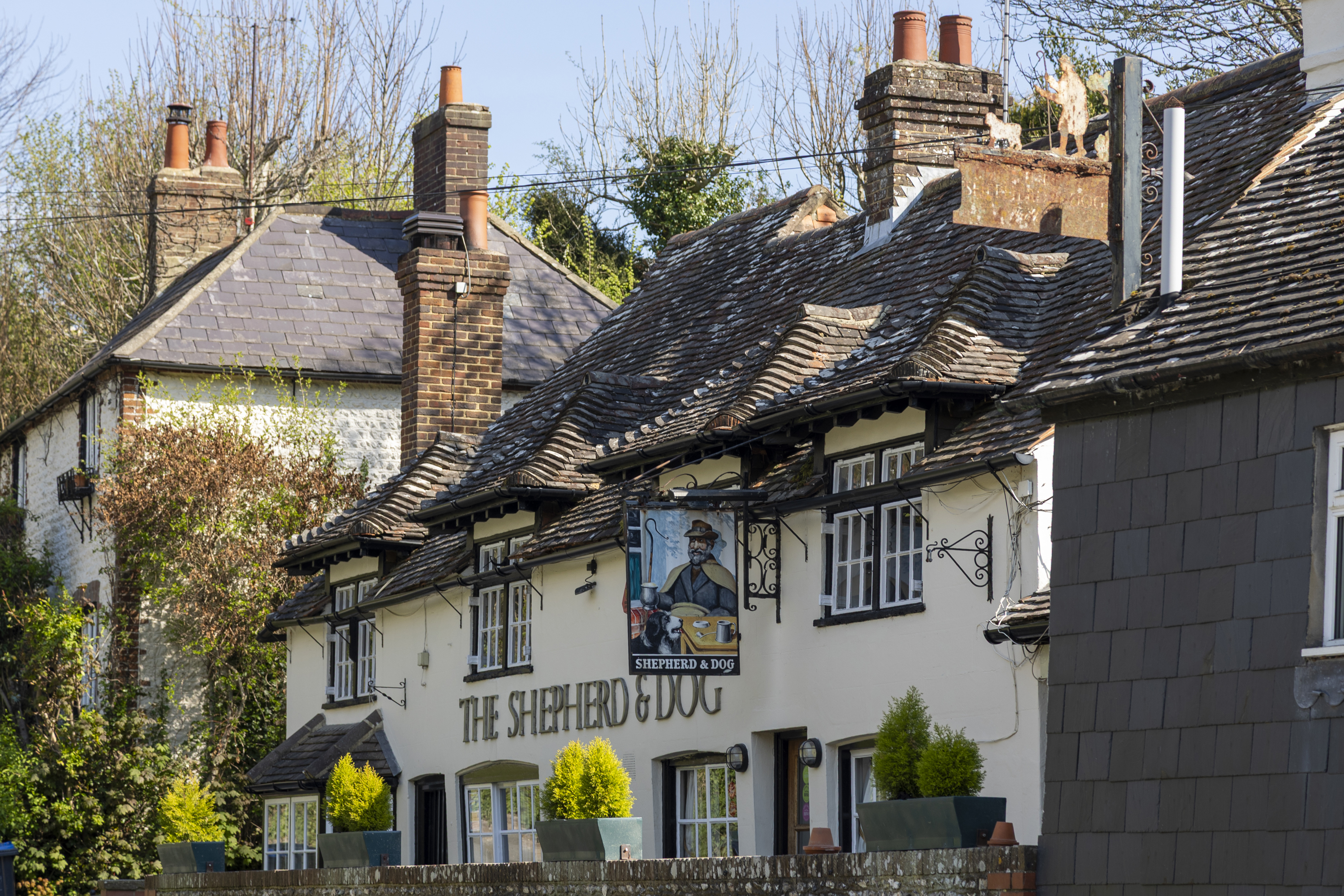
Fulking is a sleepy West Sussex village in the shadow of one of the county’s most famous landmarks, Devil’s Dyke. Nestled entirely in the South Downs National Park, Fulking is a jewel in the crown of gorgeous little villages that bless East and West Sussex. The parish is located on the north slopes of the South Downs, five miles to the northwest of Brighton, sandwiched between Upper Beeding and Poynings. The tiny village is home to just 300 people and is a popular destination for walkers, often used as a pit stop for people exploring Devil's Dyke, with the exceptional Shepherd and Dog pub providing hearty food and drink. The pub takes its name from the shepherds who used to bathe their sheep in the stream outside the building in the 1900s.
Fulking boasts four scheduled monuments, which are nationally important historical sites and include a motte-and-bailey castle on Edburton Hill, the earthworks and interior area of which are believed to date from the immediate post-Conquest period, soon after October 1066; two bowl barrows, and a medieval settlement on Perching Hill.
While the famous hill fort of Devil's Dyke lies to the east of the village, there is a hidden gem to the north, Woods Mill, a fascinating wooded area renowned for being home to an array of wildlife. The downland village is designated as an Area of Natural Beauty with the Downs forming an imposing backdrop wherever you go in the village. The scenery inspired 19th century author Esther Meynell to write ‘Fulking is set so close under the Downs that the great curves of the hill brood over the cottages like a hen over chicks.’
People first settled in Fulking thanks to the spring at the end of the village street, which has never run dry according to local legend and which Meynell called ‘one of the most glorious springs in Sussex’.
The remains of the late Nineteenth Century water supply system is a distinctive feature of Fulking. A hydraulic ram, housed in a small building near the Shepherd and Dog public house, pumped water from Fulking Hill to a reservoir at the western end of the village street where a drinking fountain and water trough were provided. The water was then fed by gravity to two further reservoirs, supplying two hand pumps along the street.
Fulking was home to Victorian art critic John Ruskin, the most famous critic of his era and the founder of Ruskin's Art College at Oxford University. Ruskin also helped build the ram according to historical accounts, however more contemporary news discredits this along with Ruskin himself.
The name Fulking came from settlers known as ‘the people of the Folc’, and the village was called ‘Fockings’ in 1086, later becoming ‘Fulking’.
This pretty village is steeped in history, much of which is still visible to this day.
Looking to buy or rent property in Fulking?
Browse through our collection of exquisite properties in the area.
Property
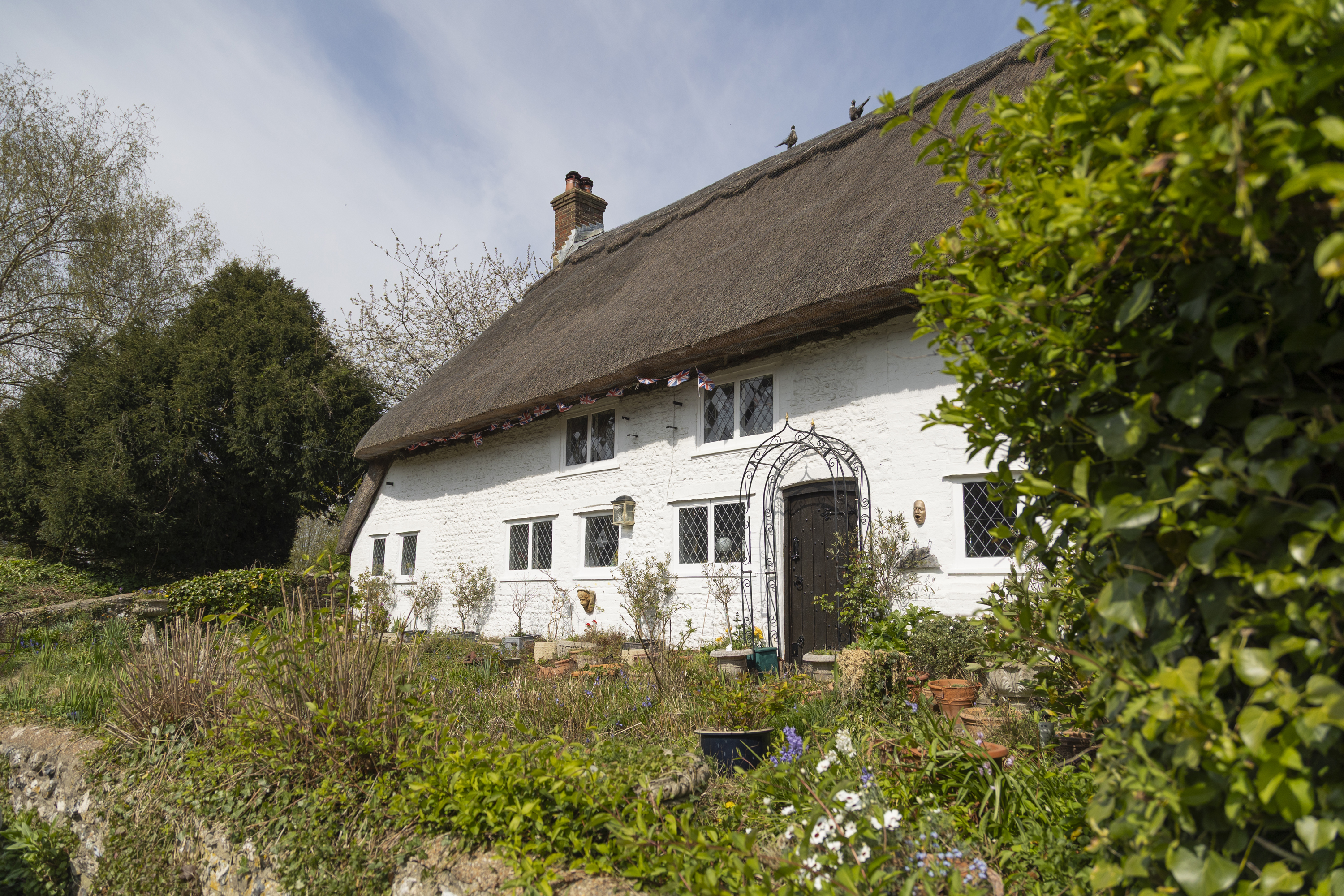
Fulking is full of old buildings with flint walls and cobblestone, giving the village a sense of charm and heritage. The parish contains 22 listed buildings of which one is Grade II* and is an 18th Century L-shaped Farmhouse named Perching Manor. The remaining 21are Grade II.
The property in Fulking is beautifully distinctive, the majority of houses in the village have a name rather than a house number, such as The Old Bakehouse and The Croft - originally built in 1890. As well as being much larger than most neighbouring buildings, The Croft is most famous for being home to the Moon family. Born in 1818, Dr William Moon was the inventor of an alphabet for the blind aptly called The Moon Alphabet.
Aside from the history behind the building names, what residents and prospective buyers appreciate is the combination of pitched and thatched roofs, buildings made of flint, brick and timber and the Tudor-style timber facades. It’s these architectural attributes that residents are so keen to preserve to maintain Fulking’s identity.
In 1984, in recognition of the village’s architectural interest, the Department of the Environment selected ‘The Street,’ which is the main road through Fulking, as a conservation area. However fewer than one third of the people of Fulking live in The Street. Many other houses and farm buildings within the boundaries of Fulking, as well as communities in Stammers Hill and along Clappers Lane, are situated in areas that run from The Street all the way up to the Henfield Road.
As well as the charming period properties that define the architectural interest there are also some beautiful detached and semi-detached more modern eco friendly houses and a few apartments.
Education
Primary schools in Henfield, Steyning and Ditchling are the nearest to the village and include St Margaret’s C of E in Ditchling, with Steyning C of E being another excellent choice for younger children and St Peters C of E in Henfield.
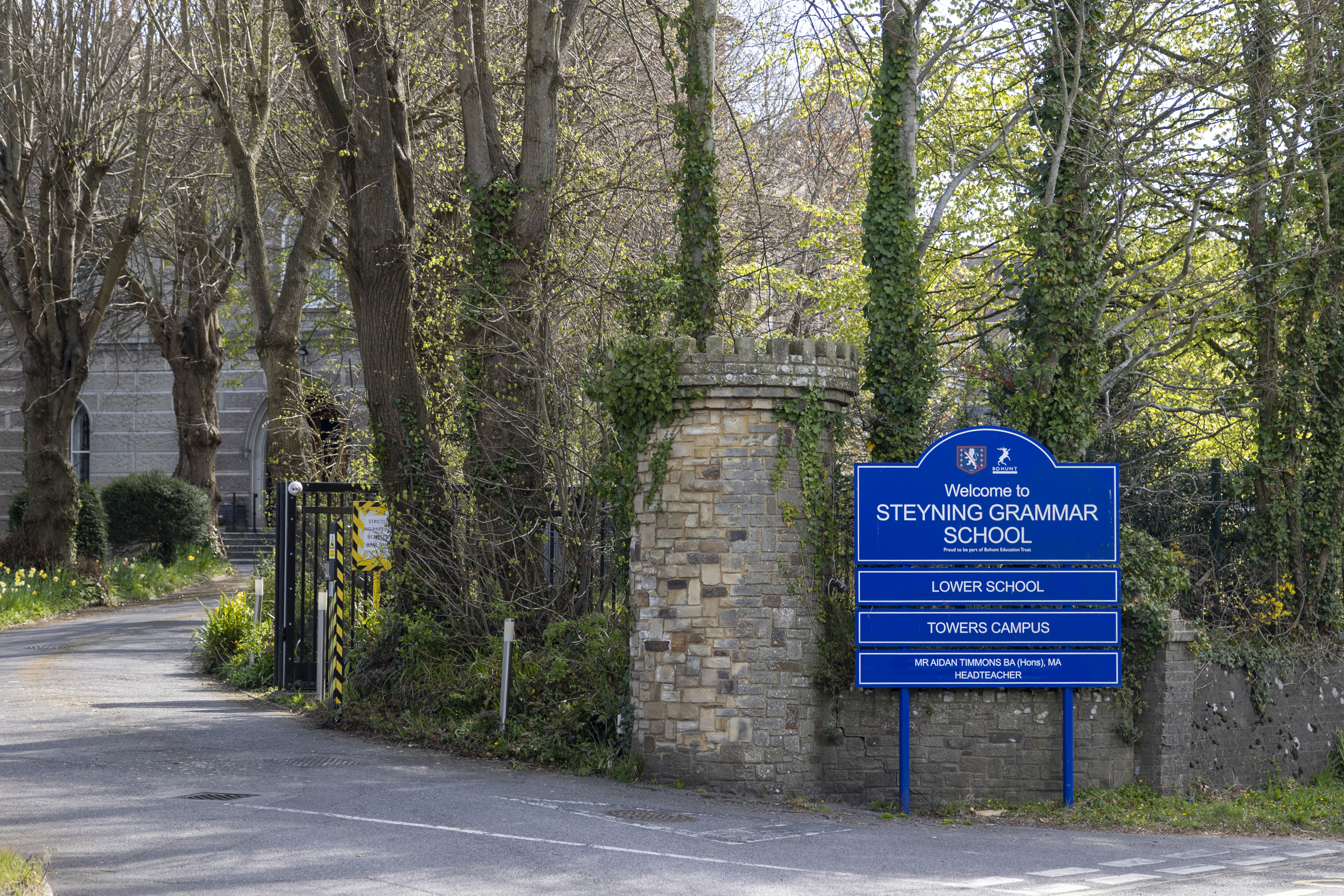
Steyning Grammar School is a few minutes' drive away and is a co-ed Comprehensive day and boarding school of 2,500 pupils, with a sixth-form comprising over 400 pupils and an overall outstanding reputation.
Notable independents Lancing College, Brighton College, Hurstpierpoint and Plumpton College are all very accessible for senior year pupils.
Shopping
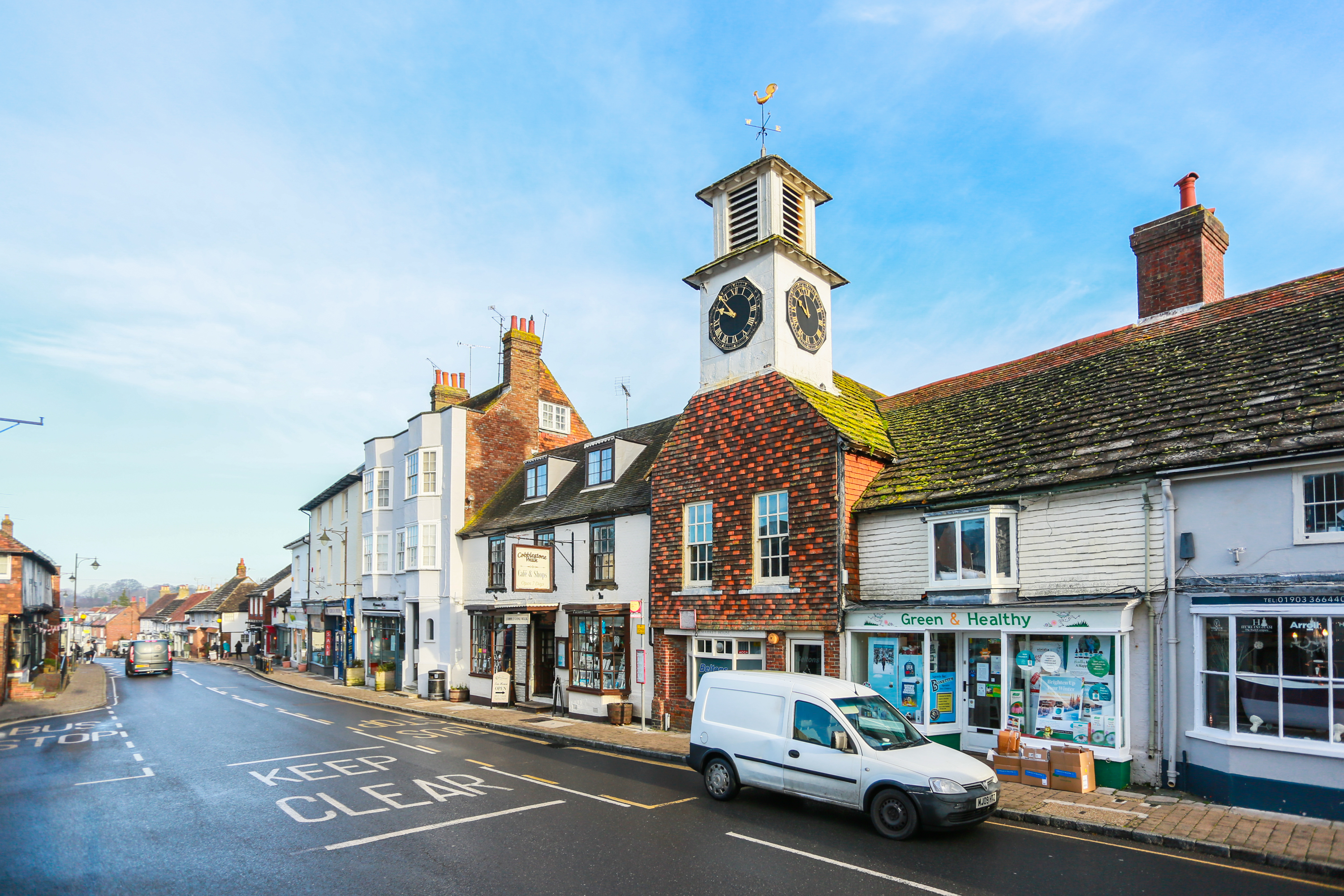
Fulking is a few minutes drive from the quaint independent shops of Steyning and Henfield and a short drive to the main shopping centre and iconic Lanes of Brighton so there is plenty of choice for purchasing both quick essentials and engaging in more serious shopping. There are great local organic food producers, farm shops and markets in the area of Fulking including Steyning Farmers Market, the Rushfield Farm Shop and Swains Farm Shop.
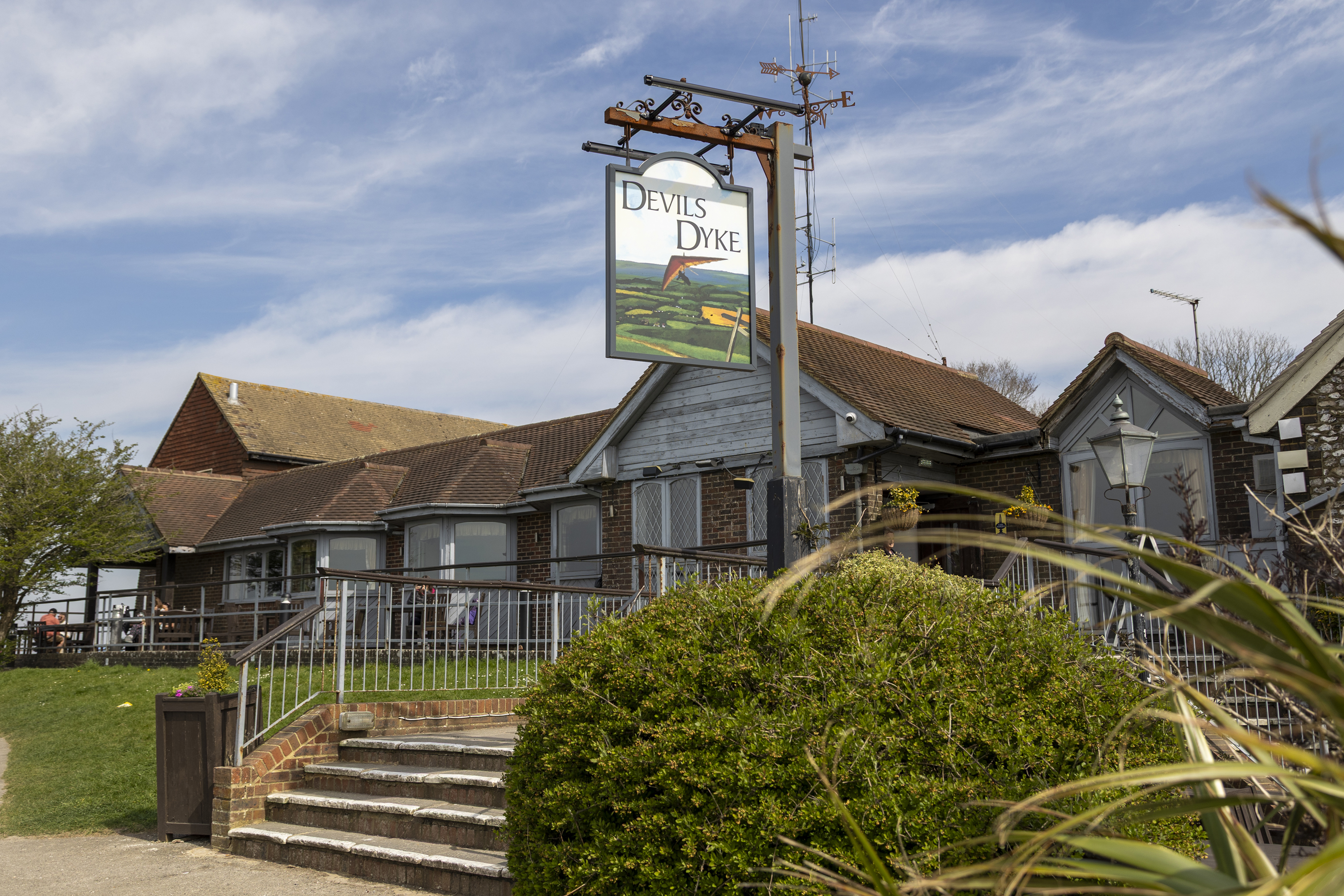
Fulking has one cherished pub and it’s a watering hole in more ways than one, as has been described. The award-winning Shepherd and Dog is one of the best gastropubs in Sussex, having established a wonderful reputation for the type of fine dining Brighton is famous for. In the summer months, the large garden becomes something of a must-visit, especially when the weather is at its best, the ideal setting for a tasty burger and a cold beer with views of the fabulous National Park. In the winter it’s the perfect place to recover after a brisk walk, with its cosy interior and crackling log fire.
Entertainment
Fulking is an area of natural beauty and boasts a point of Specific Scientific Interest. In what they call a ‘famous beauty spot on the South Downs,’ the National Trust describes the area as having ‘ancient landscapes and breath-taking views’ and bases a walk around the village and surrounding hills, starting and finishing at the Shepherd and Dog. Describing the walk, the National Trust tell visitors to Fulking: ‘Along the way, look out for the lime kiln dating back to the Victorian era as well as banks of chalk grassland teaming with flowers and butterflies.
At the top, take in the spectacular views across the downs before heading back down to the Shepherd and Dog for a well-earned pint.’
Sheep are said to have grazed on the hills of Fulking for thousands of years, which supposedly gives the area its wildlife-rich green grass today, and lends it name to the village pub.
A village keen on sport, Fulking is the home of the Preston Nomads Cricket Club, founded in 1927 Preston, Brighton. When it was founded, the club did not have its own ground; hence the ‘Nomads’ element of the name. Preston Nomads Cricket Club was a founder member of the Sussex Cricket League in 1971. The club runs four men's Saturday League teams and one on Sundays and also has a junior section and runs a coaching program.
Fulking hosts an annual village fair, which is the highlight of the calendar. More than 1,000 people get together each year for a BBQ, drinks, music, tea and cake with all the money raised ploughed back into village projects. Popular violinist and musician Nigel Kennedy, who lives in the village, is all too happy to wow the crowds with his performances.
Most recently, a new play area was built for the children in the North Town Field. The village also has its own social committee with a rich calendar of social events.
The villages and towns surrounding Fulking, including Brighton, Henfield, Steyning and Ditchling, offer much in the way of a varied cultural program, stunning notable sites, nature reserves, golf courses, farms and fabulous parks and gardens so a quick drive or slower amble connects the village with a wealth of alternative entertainment.
Travel
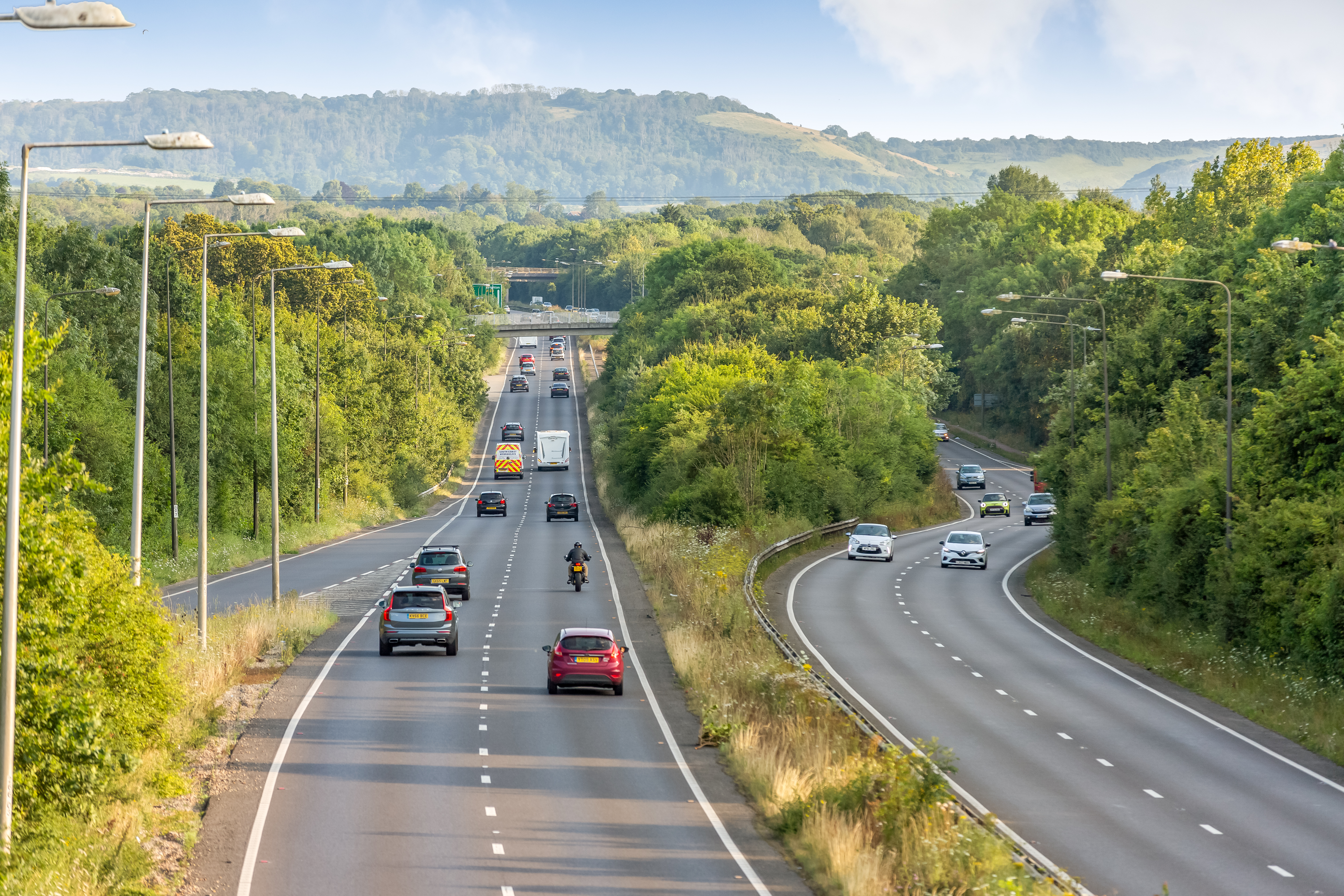
Communication links from Fulking to London, Gatwick and Brighton are excellent. Fulking has a number of nearby mainline stations. London can be accessed via trains to Victoria or London Bridge from Brighton/Hove/Portslade, Hassocks or Shoreham by sea. Fulking is a few minutes' drive from the A23 to Brighton and the south coast linking to Shoreham, Worthing and the east coastway via the A27. London and Gatwick airport via the M23 are very accessible. There are regular bus services to Brighton and surrounding villages.
Do you need an expert to value your property?
Contact us for a no-obligation market appraisal.